Warning! You are currently using a domain accessible on the regular internet, not on Tor. For better privacy and security, please use our onion domain instead.
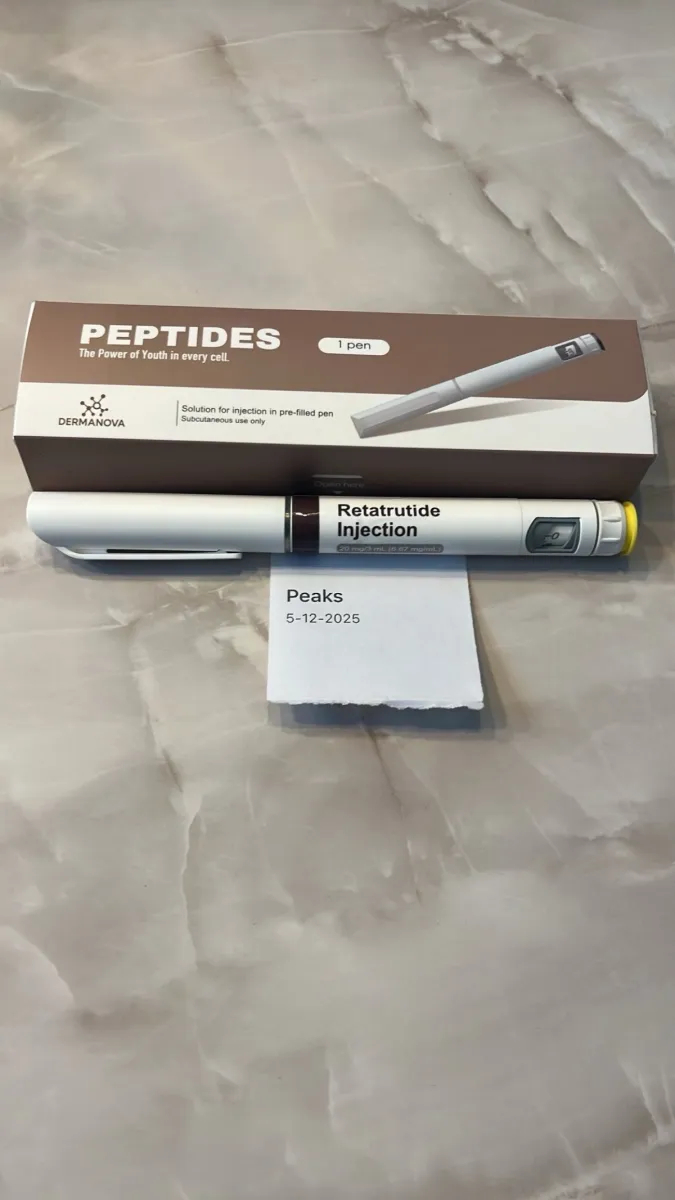
Retstrudide 20 mg
The best product at the moment!!!!
✅ What Retatrutide is
• Retatrutide is an investigational (not yet approved) medication developed by Eli Lilly and Company.
• Biochemically, it’s a “triple receptor agonist” — meaning it stimulates three hormone receptors simultaneously: the receptors for GLP-1 (glucagon-like peptide-1), GIP (glucose-dependent insulinotropic polypeptide), and Glucagon.
• The idea behind this “triple-agonist” approach is that by acting on all three pathways, Retatrutide may help:
1. reduce appetite and caloric intake (via GLP-1 and GIP),
2. improve insulin response and blood-sugar regulation (GIP & GLP-1),
3. possibly increase energy expenditure or fat burning (glucagon effect).
📉 What the Clinical Studies Found (So Far)
• In a Phase 2 clinical trial in adults with overweight/obesity (but without diabetes), weekly injections of Retatrutide led to very substantial weight loss after 48 weeks. On the highest dose, participants lost on average ~24.2% of their body weight.
• That roughly corresponds — for someone 100 kg / 220 lb — to shedding about 24 kg (≈ 53 lb).
• Besides weight loss, people in the trial also saw improvements in metabolic and cardiovascular-related markers: better blood sugar control (lower fasting glucose, lower HbA1c), improved insulin sensitivity, lower triglycerides/cholesterol, blood-pressure improvements, and reductions in liver fat in some cases.
⚠️ What’s Still Unknown or Unapproved
• As of now (2025), Retatrutide is not approved by regulatory authorities (like the FDA in the U.S. or equivalent in Europe) — it remains in clinical trials.
• That means it is not legally available (in regular pharmacies) for treatment of obesity or any condition.
• Many products sold online under names like “retatrutide peptide” are unregulated, marketed as “research chemicals,” and not safe or approved for human use.
• The long-term safety and efficacy — over many years — is not yet established. The most common side effects reported in trials are gastrointestinal: nausea, vomiting, diarrhea, constipation.
• There are potential risks common to this class of drugs (e.g. effects on gallbladder, pancreas, possibly other metabolic effects), but full risk/benefit profiles remain under study.
🩺 What Retatrutide Isn’t — and Why Caution Matters
• Retatrutide is not a “diet pill” or over-the-counter supplement. It is a medication under investigation, and if used outside of a formal clinical trial — especially products bought online — it’s almost certainly unregulated and unsafe.
• It is not guaranteed to be effective or safe long-term; the promising weight-loss numbers come from relatively limited-duration (≈ 1 year) trials in selected participants, with regular medical supervision.
• Using unapproved or off-label versions (e.g. “peptide powders” sold online) may pose serious health risks, and regulatory authorities have warned against such use.
🔭 What to Expect Next
• Larger (Phase 3) clinical trials are ongoing to further assess safety, efficacy, and long-term outcomes — including durability of weight loss, maintenance, and possible side effects.
• If trials are successful and regulatory review goes smoothly, Retatrutide may become a prescription treatment for obesity or metabolic disorders in the future